

Develop Habits of Millionaires
Do you have the habits of millionaires? See how you size up and develop your millionaire habits within 30 days. More »

3 Simple Ways to Build Massive Wealth
Need ideas on how to grow your financial empire? Here are 3 businesses you can start today, from home, that has a low barrier of entry... More »

8 Habits of Millionaires
Develop a Millionaire Mind by fully understand these 8 habits of millionaire. Mimic these behaviors to set yourself up for success. More »

The Money Spectrum
Where do you stand on the money spectrum? Are you further on the debt slide, or are you on the fast patch to enjoying financial freedom? More »

Making Your First Million Dollars
Think your first million is hard to do? Let\\\\\\\'s break it down and show you how easy it can be with a little goal setting and perseverance... More »
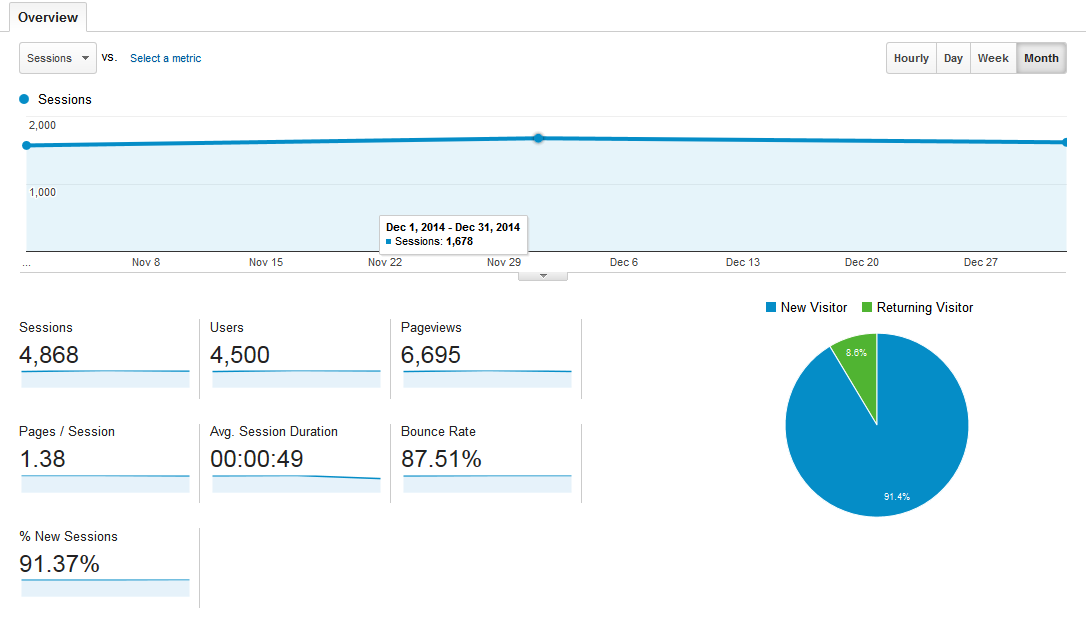
MMHabits Website for Sale

mmhabits.com is for sale.
This site has been online since 2008 and is looking for a new owner.
If interested, email your offer to [email protected]. All offers will be considered.
This will be a quick transition. Sale will include immediate transfer of website, domain and all assets.
Tips for trading Oil Shares
Trading oil, a naturally occurring commodity, with apps like Oil Profit can help you earn a significant return on investment. You may check the öl profit plattform erfahrungen shared by users to know the credibility of the app.
Affordable Health Insurance Options for Young Adults
As you’re growing up in your childhood home, there are so many things that you don’t usually give much thought to. You don’t think much about how the food got into the refrigerator. You don’t think much about who’s paying for the electricity and water that you use. And if you happen to get sick
5 Questions You Should Ask Before Renting a Luxury Apartment
Ask nearly anyone and you’ll find that most people prefer to live in luxury accommodations. But not everyone can afford the sticker price of a multi-million-dollar Malibu mansion on the beach. That said, there is no shortage of opportunities for well-to-do renters to find apartments that not only offer proximity to bustling downtown areas or